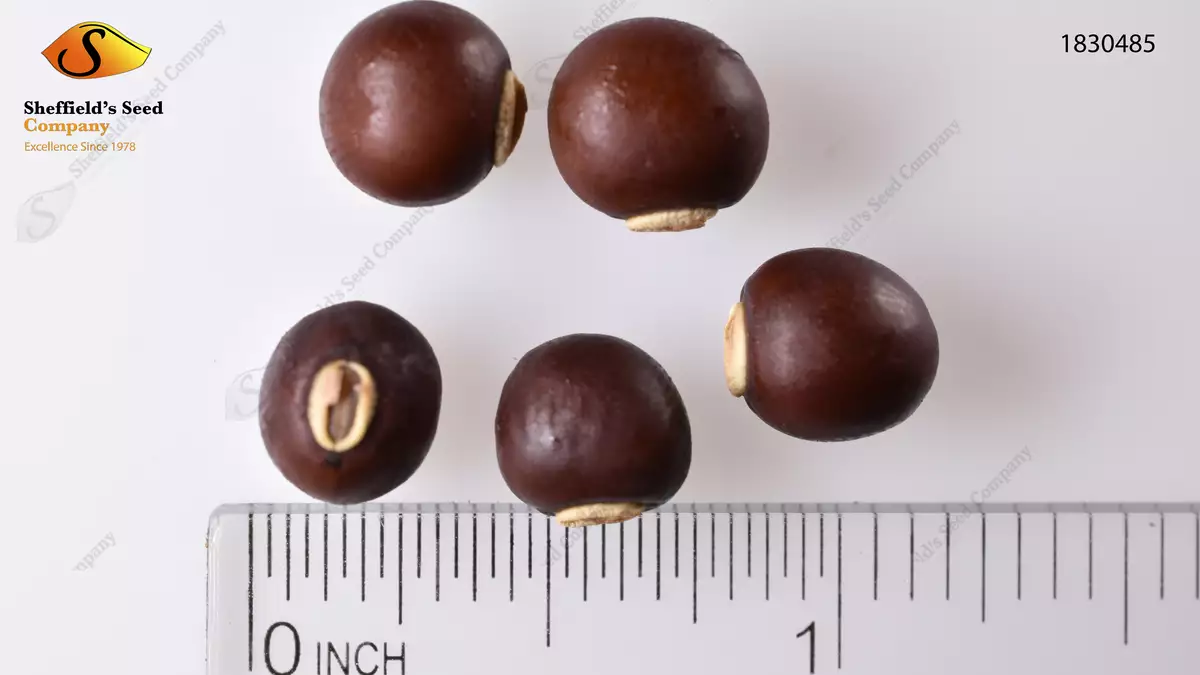
Scarification: Pre-soak seed for 12 hours in warm water.
Stratification: none required
Germination: Sow 1/2" deep in early spring in a warm greenhouse. Place two or three seeds in each pot, thinning to the strongest plant. Plant them out after the last expected frosts.
Other: Seed needs warm temperatures after sowing to germinate (75 degrees F +).
Native to: New Guinea
Introduced to: Assam, Bangladesh, Bismarck Archipelago, Brazil North, Brazil Northeast, Brazil South, Cambodia, Cameroon, Caroline Is., China South-Central, China Southeast, Christmas I., East Himalaya, Egypt, Florida, Ghana, Hainan, Honduras, India, Ivory Coast, Jawa, Laos, Lesser Sunda Is., Malaya, Maluku, Marianas, Myanmar, Nepal, New Guinea, Nigeria, Philippines, Sierra Leone, Sri Lanka, Sulawesi, Sumatera, Taiwan, Thailand, Trinidad-Tobago, Vietnam, West Himalaya, Zambia
select i.*, as2.state_abbr
from inventory_item_manage i
left outer join sheffields_2017.address_states as2 on (as2.state_name = i.CollectionLocale or as2.state_abbr = i.CollectionLocale)
where i.inventory_id = '1181'
group by i.id
Scarification: Pre-soak seed for 12 hours in warm water.
Stratification: none required
Germination: Sow 1/2" deep in early spring in a warm greenhouse. Place two or three seeds in each pot, thinning to the strongest plant. Plant them out after the last expected frosts.
Other: Seed needs warm temperatures after sowing to germinate (75 degrees F +).
Native to: New Guinea
Introduced to: Assam, Bangladesh, Bismarck Archipelago, Brazil North, Brazil Northeast, Brazil South, Cambodia, Cameroon, Caroline Is., China South-Central, China Southeast, Christmas I., East Himalaya, Egypt, Florida, Ghana, Hainan, Honduras, India, Ivory Coast, Jawa, Laos, Lesser Sunda Is., Malaya, Maluku, Marianas, Myanmar, Nepal, New Guinea, Nigeria, Philippines, Sierra Leone, Sri Lanka, Sulawesi, Sumatera, Taiwan, Thailand, Trinidad-Tobago, Vietnam, West Himalaya, Zambia
Native
Introduced
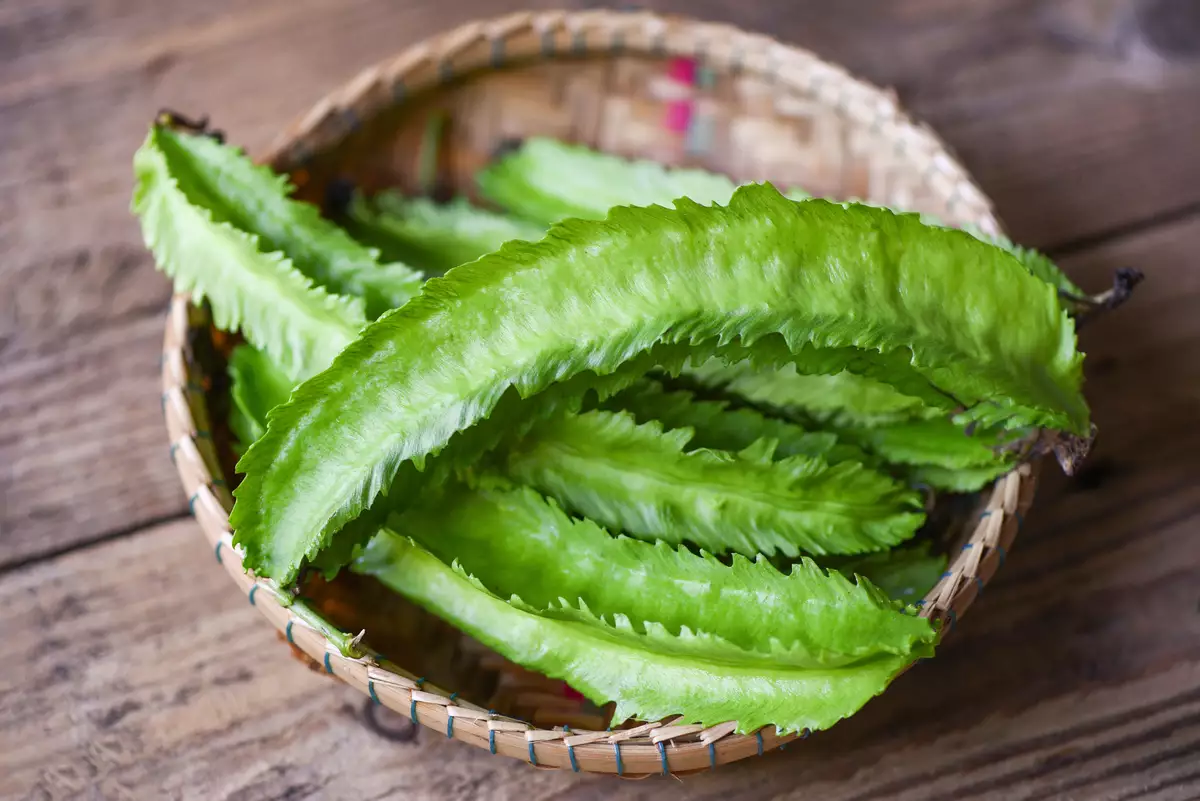
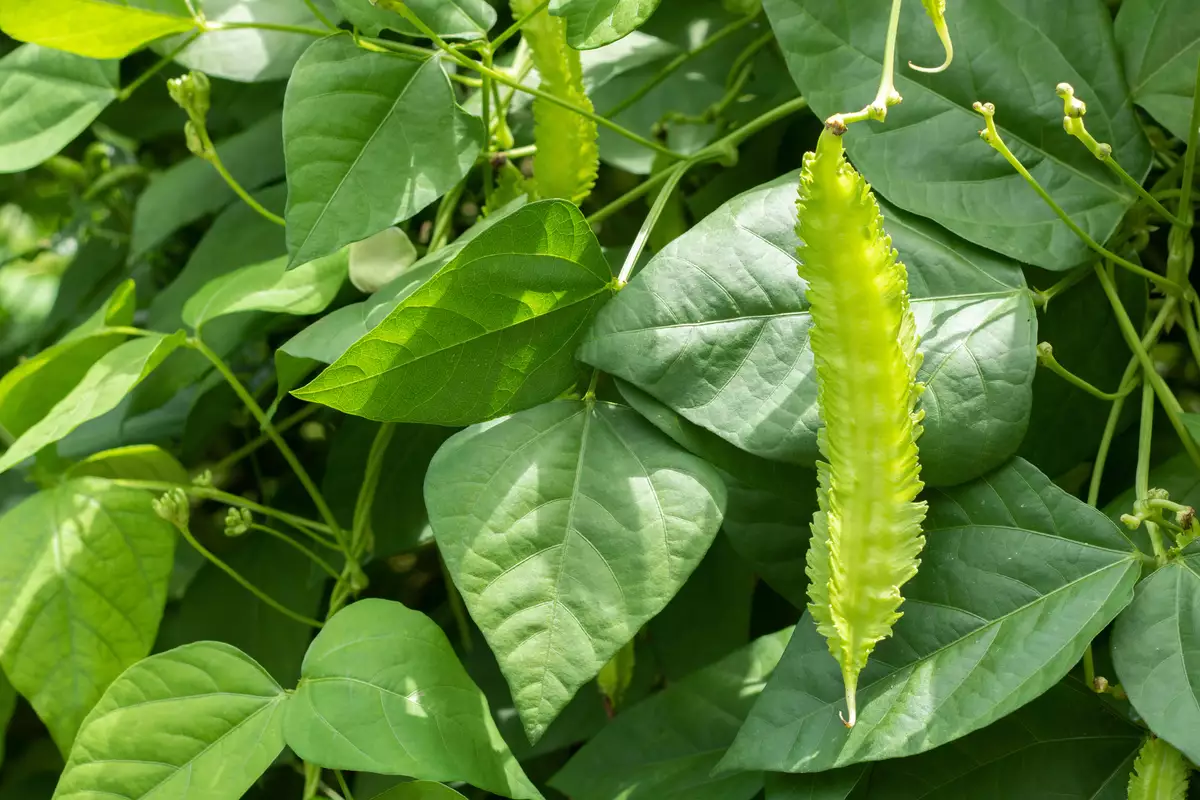
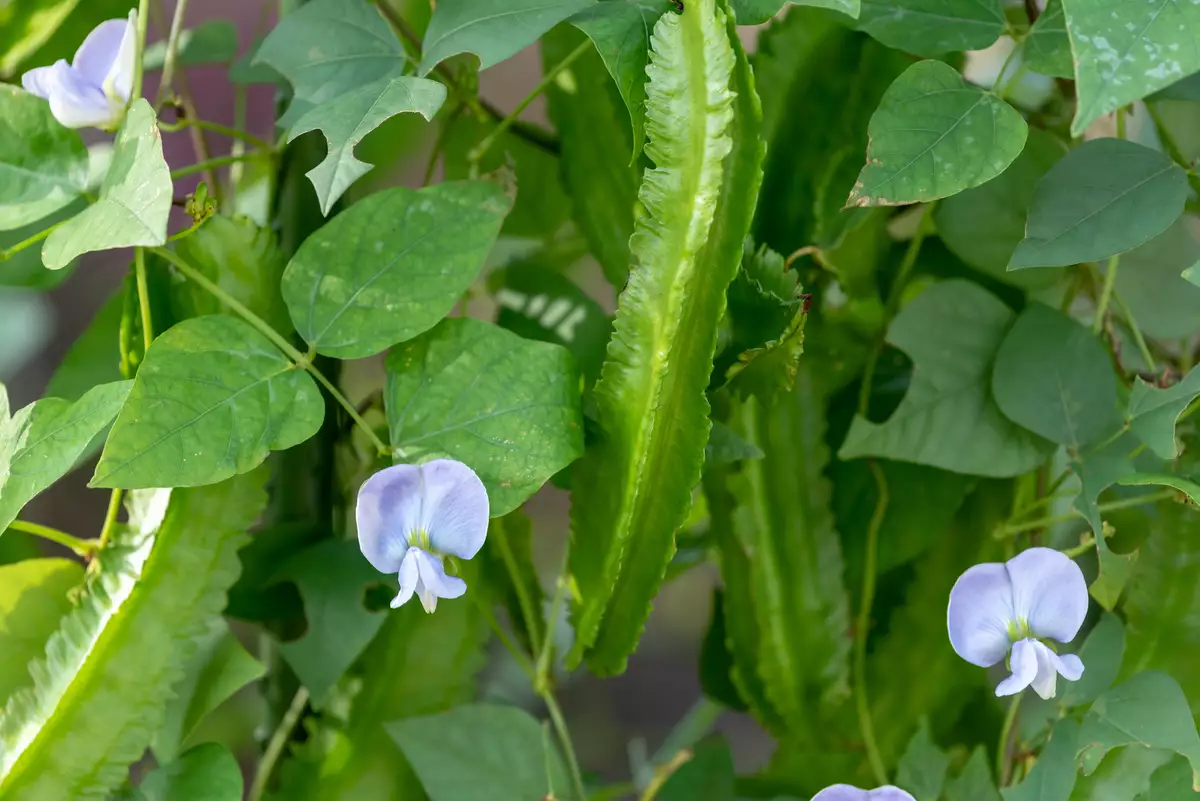
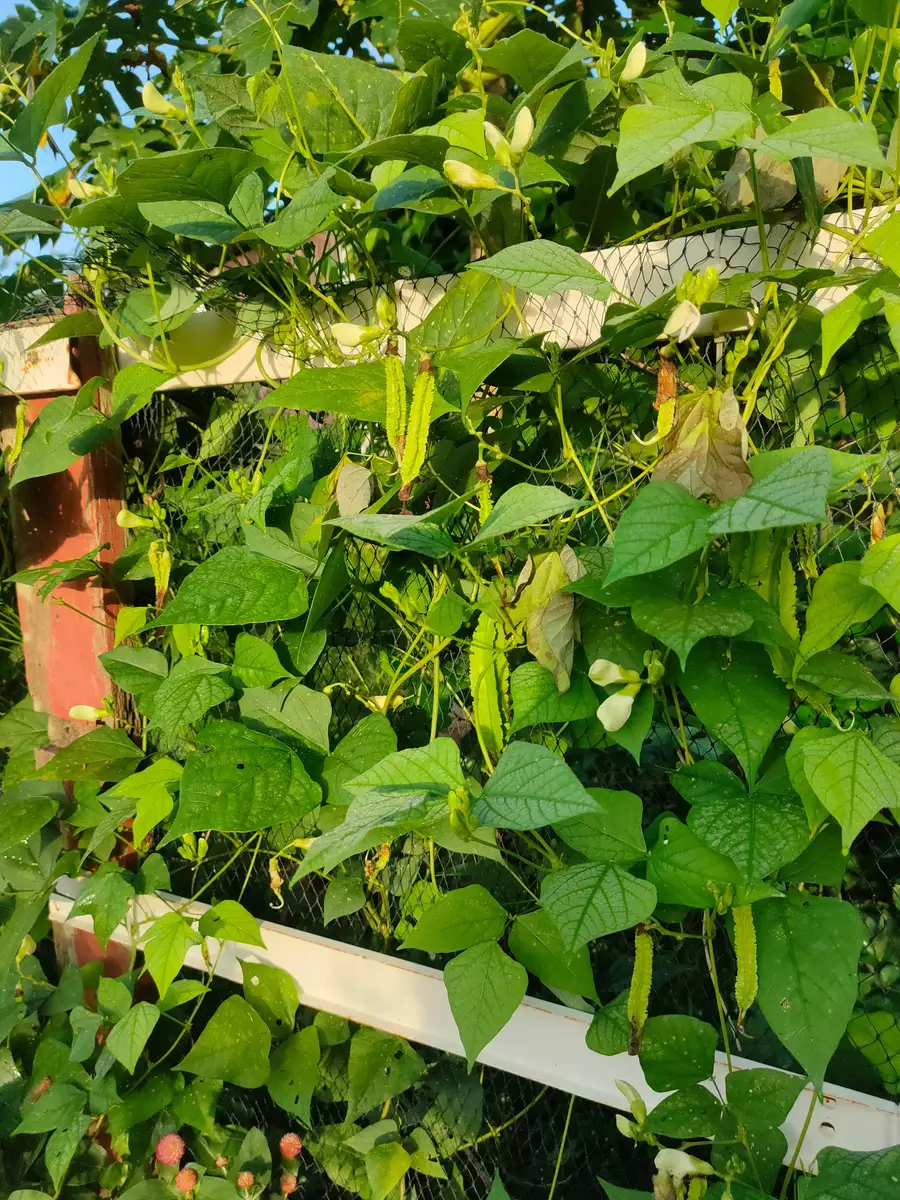
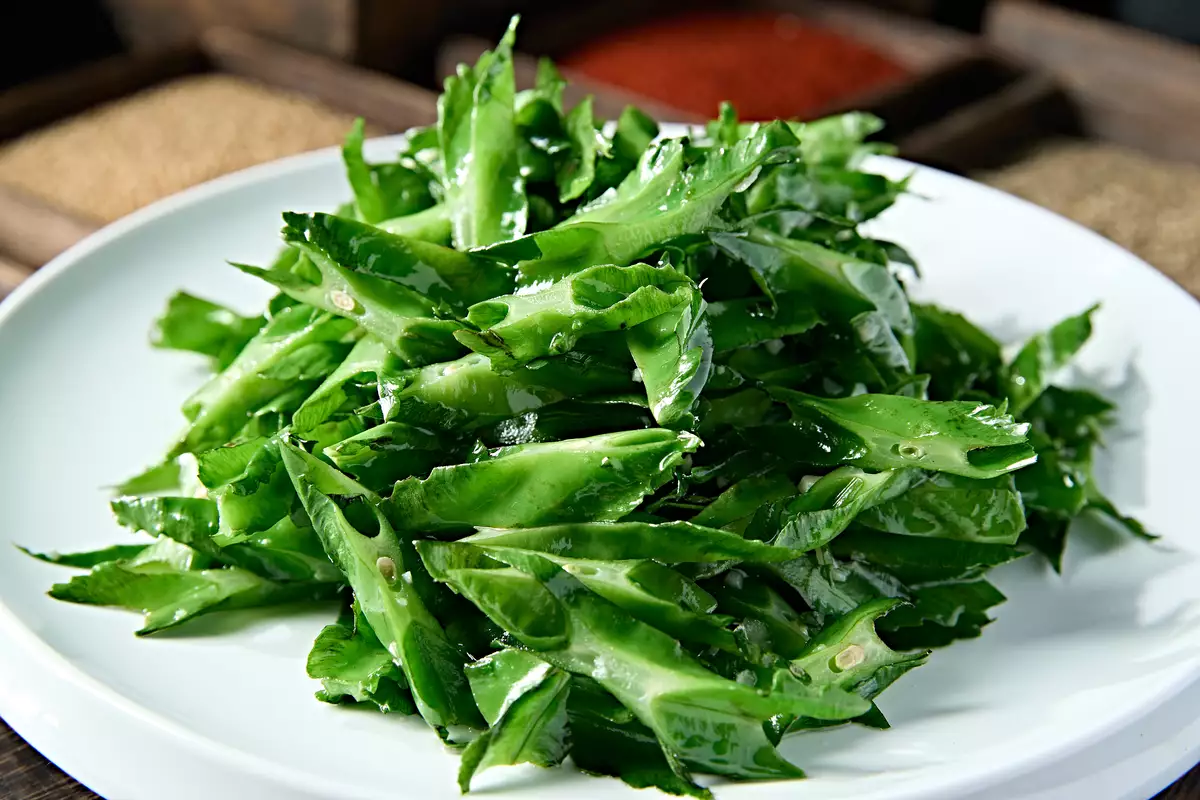
Experience the exotic allure of Psophocarpus tetragonolobus, known by various enchanting names such as Winged Bean, Goa Bean, and Dragon Bean. A versatile heirloom plant native to New Guinea, Winged Bean thrives in hot, humid climates with its vigorous vine reaching over 9 feet tall. Celebrated for its ruffled-edged pods with four unique wings, this tropical legume is a staple in South and Southeast Asia, boasting remarkable culinary and nutritional diversity. Each part of this resilient plant is edible: enjoy the pods when young at 1-3 inches, savor the leaves cooked like spinach, and relish the nutty flavor of the tubers, similar to potatoes. Even the seeds can be dried and ground for flour use. Cultivating this nutrient-rich legume is accessible even in warmer northern climates. Embrace Psophocarpus tetragonolobus not only as a flavorful addition to your garden but as a sustainable crop with potential to enrich diets worldwide.