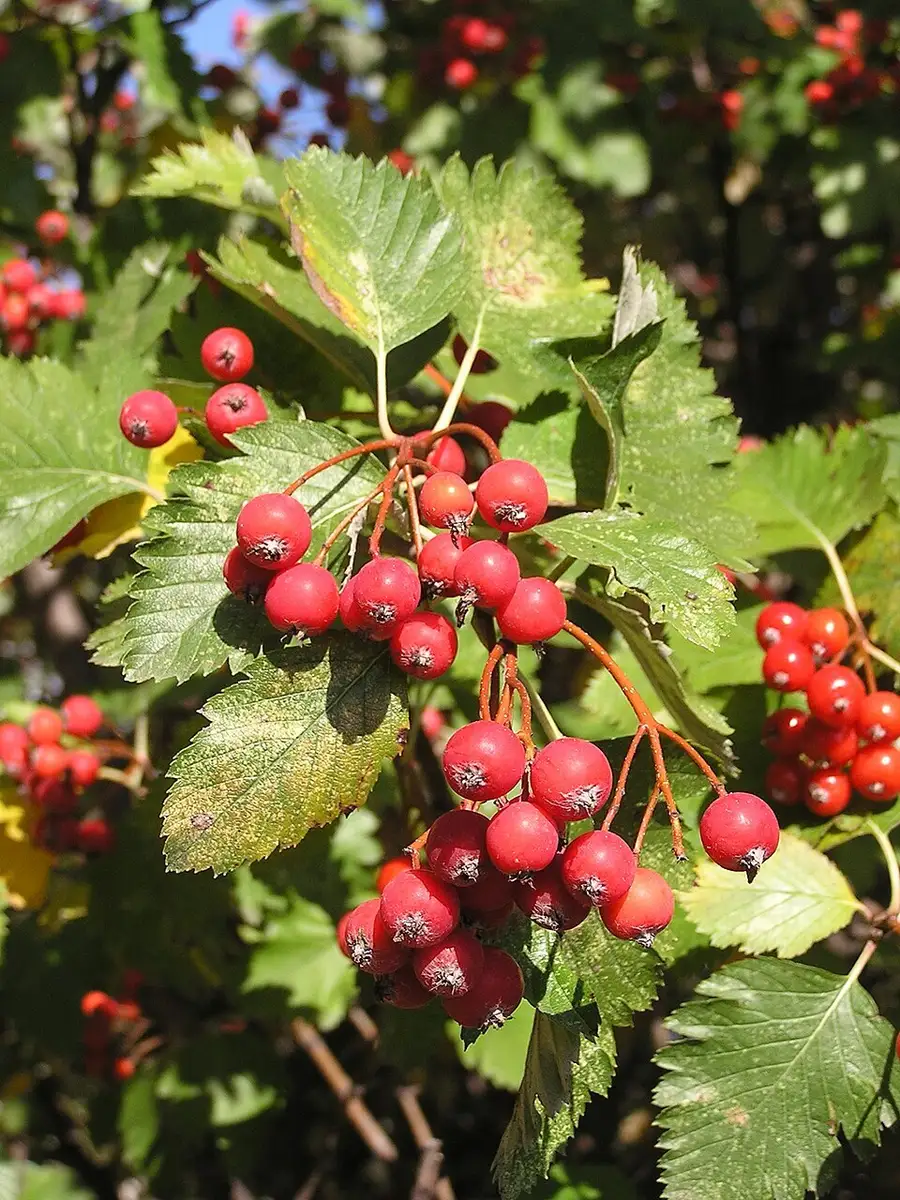
Sorbus/Hedlundia mougeotii is a striking and adaptable deciduous tree hailing from the mountainous regions of central and western Europe, including the Pyrenees and the Vosges Mountains. Often called Mougeot's Whitebeam or Vosges Whitebeam, this versatile species was cultivated extensively in Northern Europe from the 1950s by the Danish Heath Society, originally mistaken for a variant of the Swedish Whitebeam. It is celebrated for its resilience in challenging soil conditions and urban environments, making it an ideal choice for land reclamation and roadside planting.
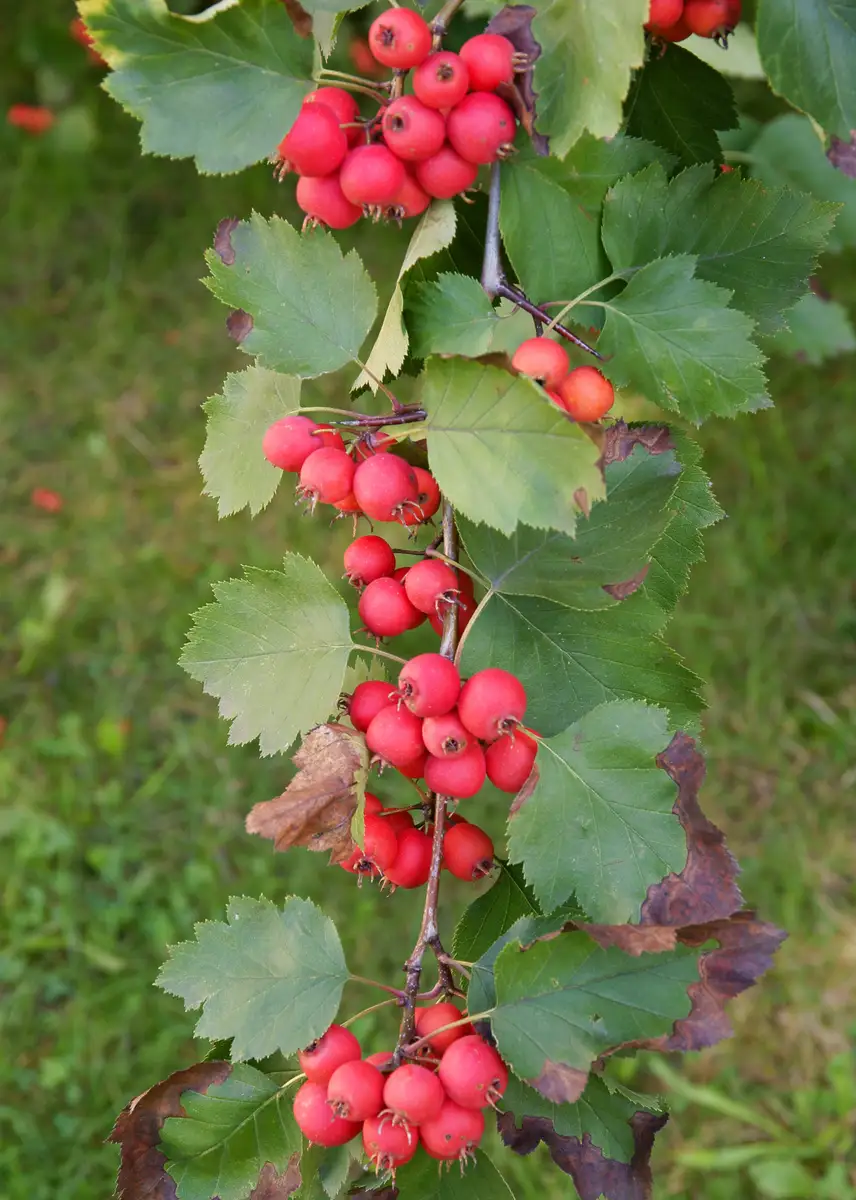
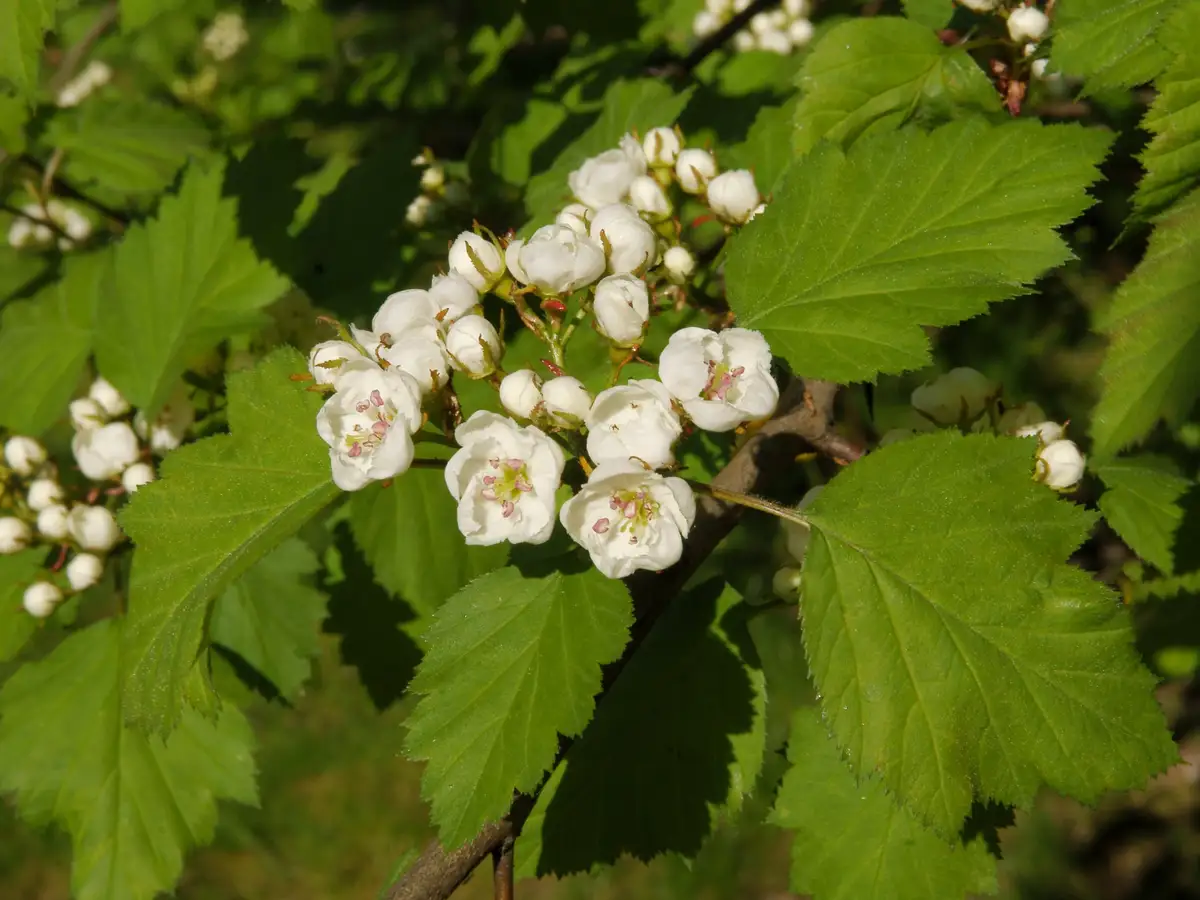
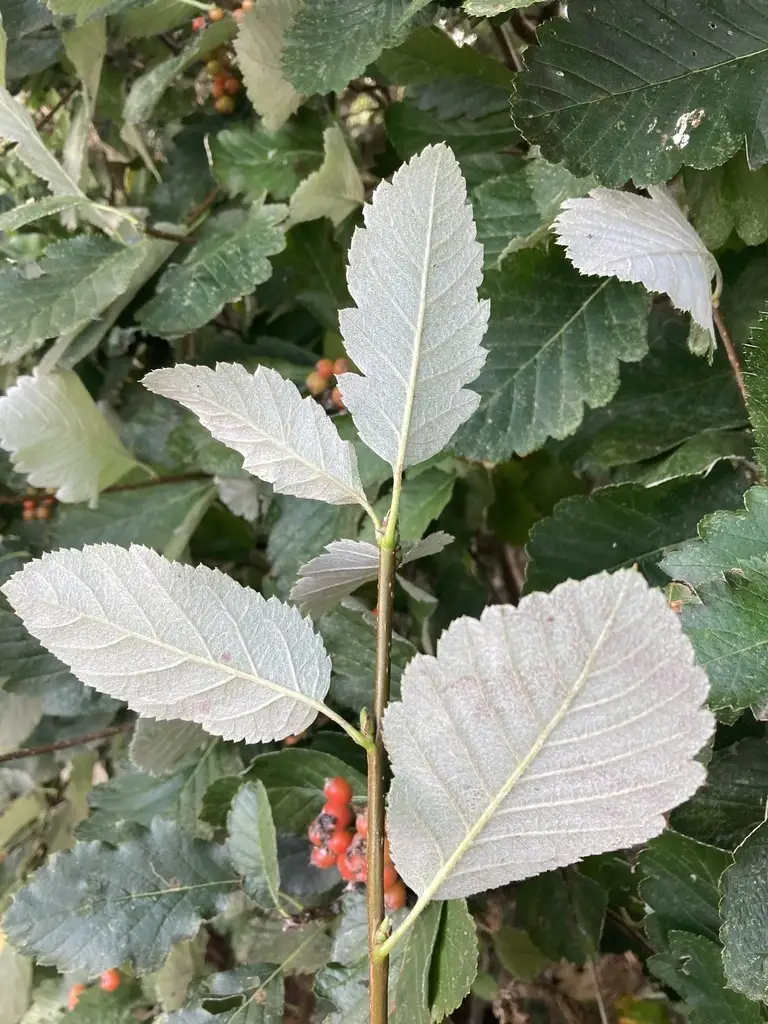
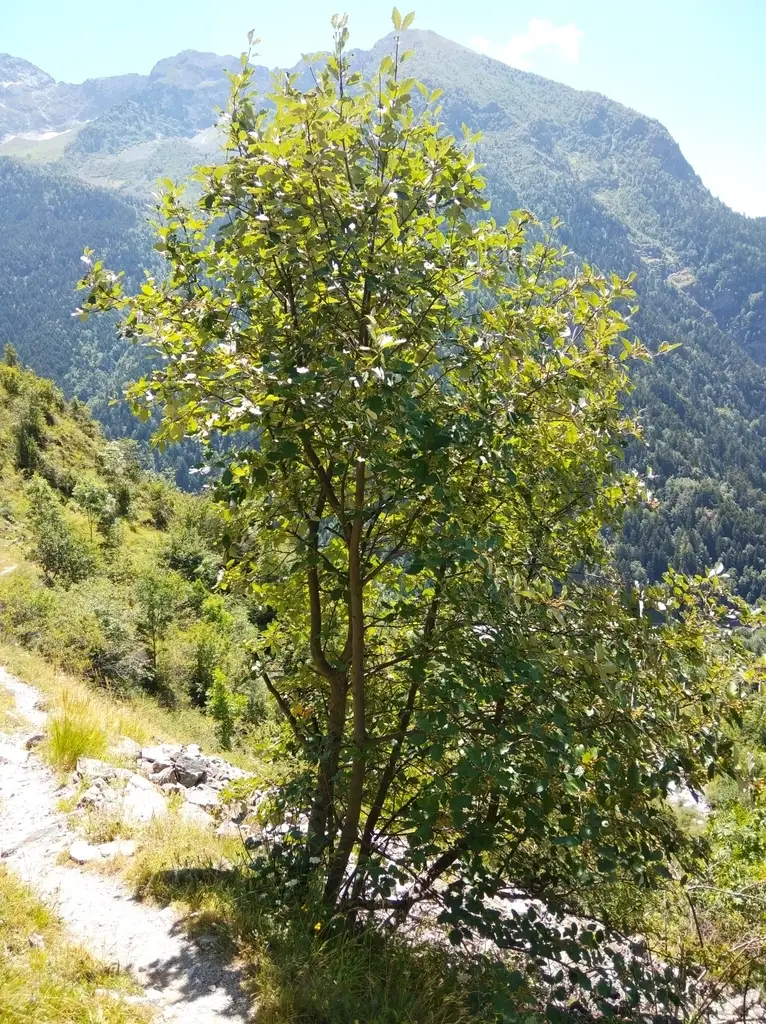
This multi-stemmed shrub or small tree reaches heights of 25-35 ft, occasionally growing up to 65 ft. It boasts a dense, broad ovoid crown with glossy dark green leaves that reveal a dense white hairy underside, offering a textured appeal. In spring, it becomes adorned with clusters of white flowers, which evolve into bright red, bird-attracting fruit in autumn. Adept in lean, well-drained soils, Sorbus mougeotii is hardy across USDA Zones 5a to 9b and thrives in sunlit areas with regular watering, prized for its pollution tolerance and resistance to verticillium wilt.