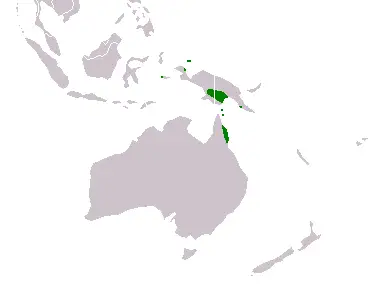
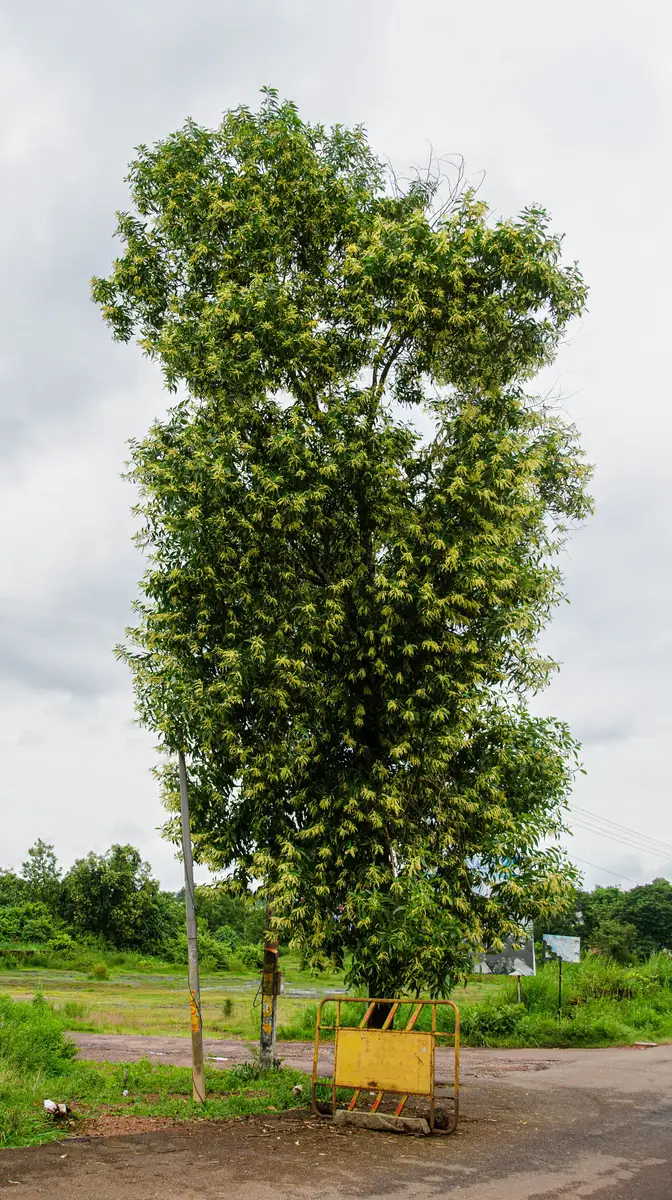
Acacia mangium, commonly known as Mangium or Hickory Wattle, is a versatile and robust species native to northeastern Queensland, Papua New Guinea, and parts of Indonesia. A member of the Fabaceae family, this tree is celebrated for its rapid growth and adaptability, making it a popular choice for forestry and ecological restoration projects across Asia and the Pacific. With the potential to reach heights of up to 100 ft, Acacia mangium thrives in lowland tropical climates and prefers well-drained, acidic soils, although it can also tolerate low-fertility conditions.
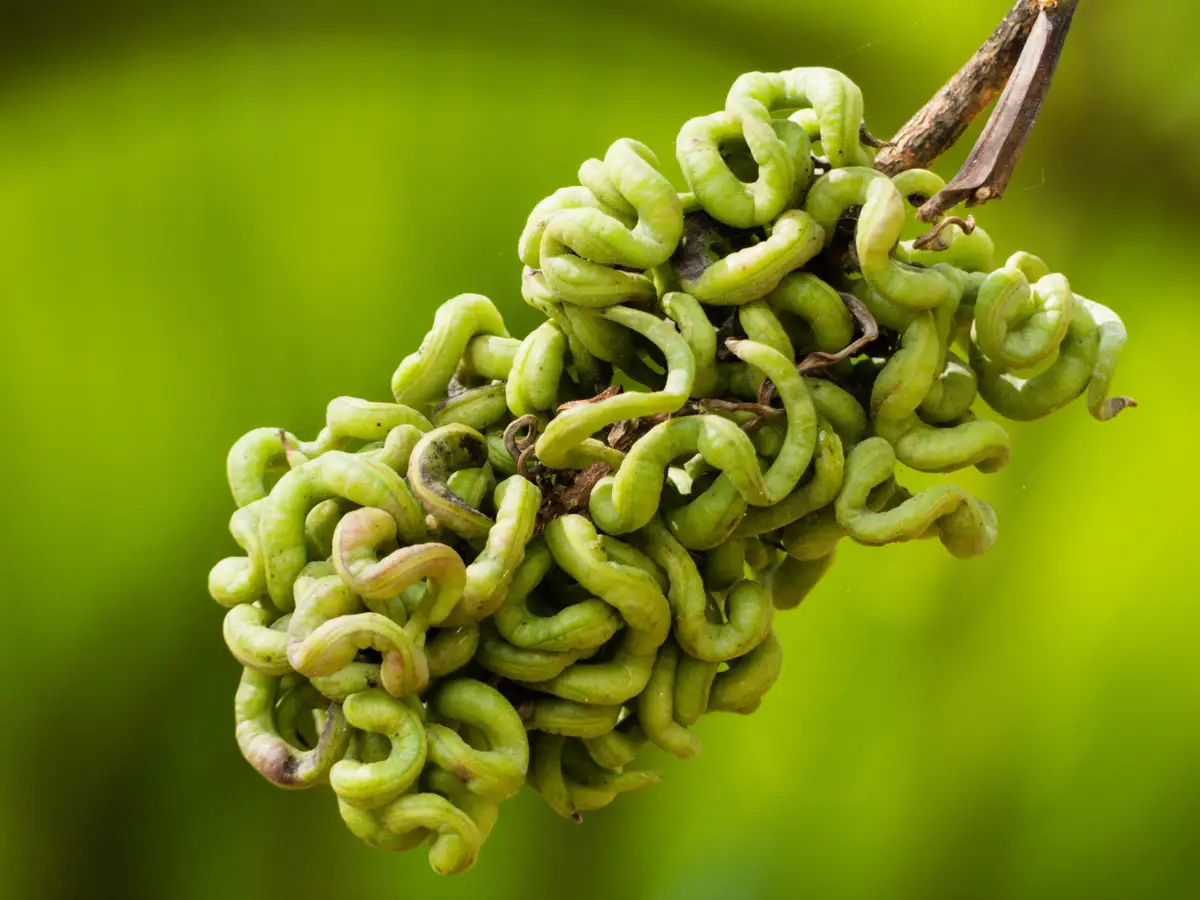
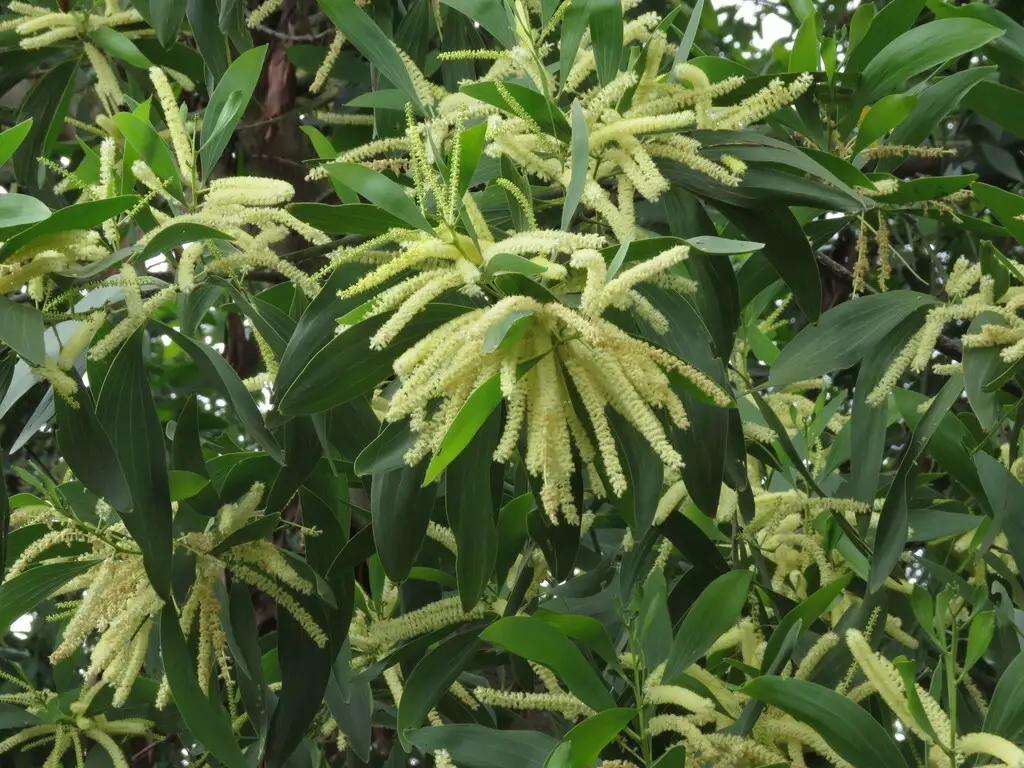
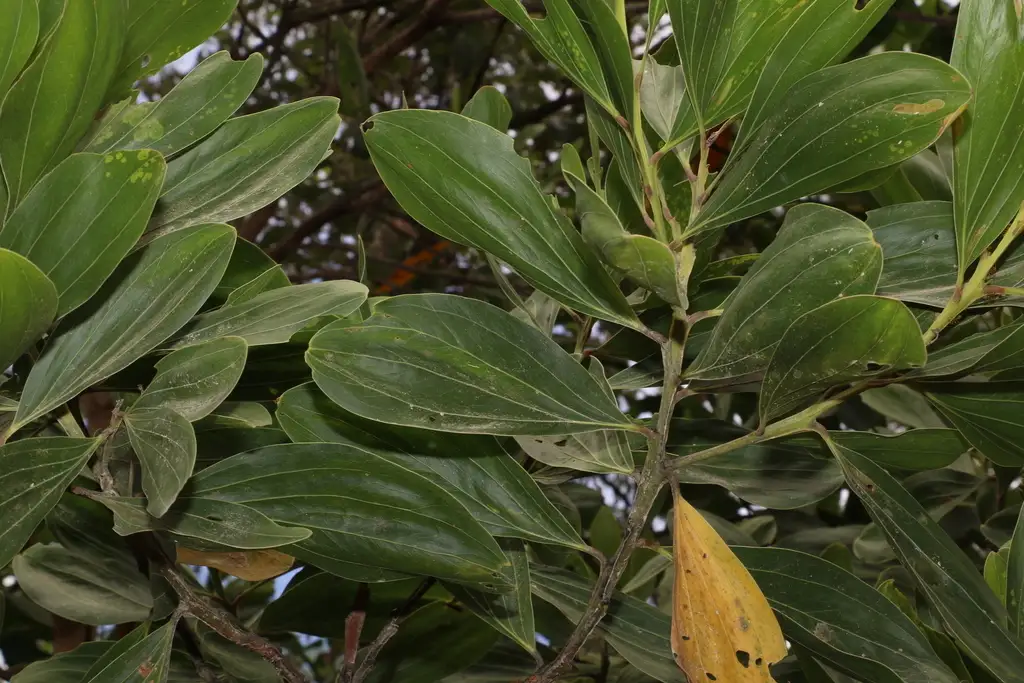
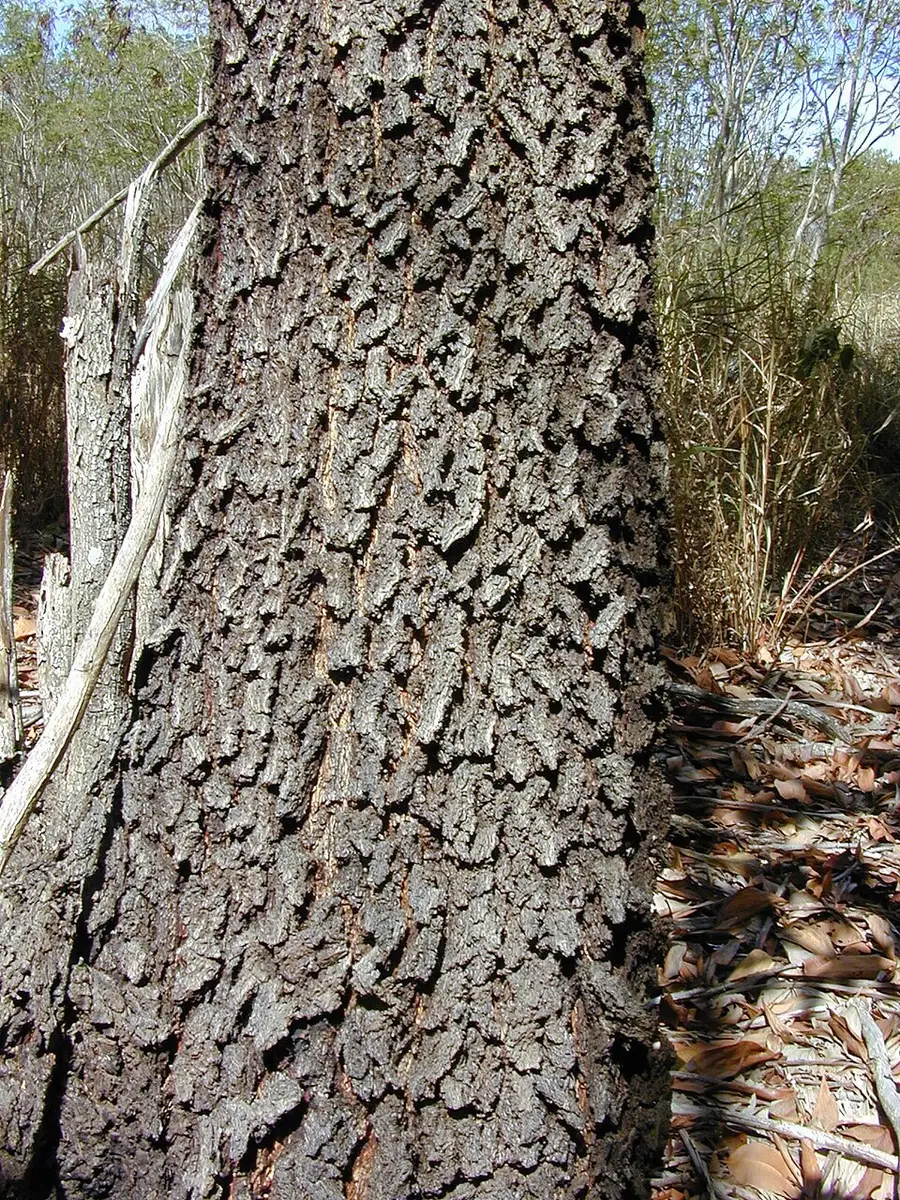
This remarkable tree features rough, furrowed bark and uniquely angled branchlets. Its phyllodes, obliquely narrow and elliptic, are dark green and leathery, showcasing prominent veins. The tree blooms with fragrant white to cream-colored flowers borne on spikes, which are reminiscent of bottle brushes. The resulting pods are irregularly coiled and contain seeds that contribute to soil nitrogen enrichment through fixation.
Mangium's dense heartwood, valued for its strength and aesthetic appeal, is sought after for furniture and parquet flooring. Additionally, its pulp is integral to the paper industry, particularly in Indonesia. Beyond its commercial uses, this species plays a crucial ecological role by rehabilitating degraded lands, making it indispensable in both timber production and environmental conservation efforts.