0
Close
1 / 6
4 / 6

AdobeStock

5 / 6

AdobeStock

6 / 6

AdobeStock

Growing Info

Scarification
Scarification: Soak in water, let stand in water for 24 hours
Stratification
Stratification: warm stratify for 30 days, cold stratify for 60 days
Germination
Germination: sow seed 1/4" deep, tamp the soil, mulch the seed bed|sow seed 1/4 deep, tamp the soil, mulch the seed bed

Other: mechanical rupture of the pericarp is recommended before stratification 

Native to: China, Japan, Korea, Korea (South)
Native
Introduced

Iris ensata

Ensata Japanese Iris, Japanese Iris, Japanese Water Iris

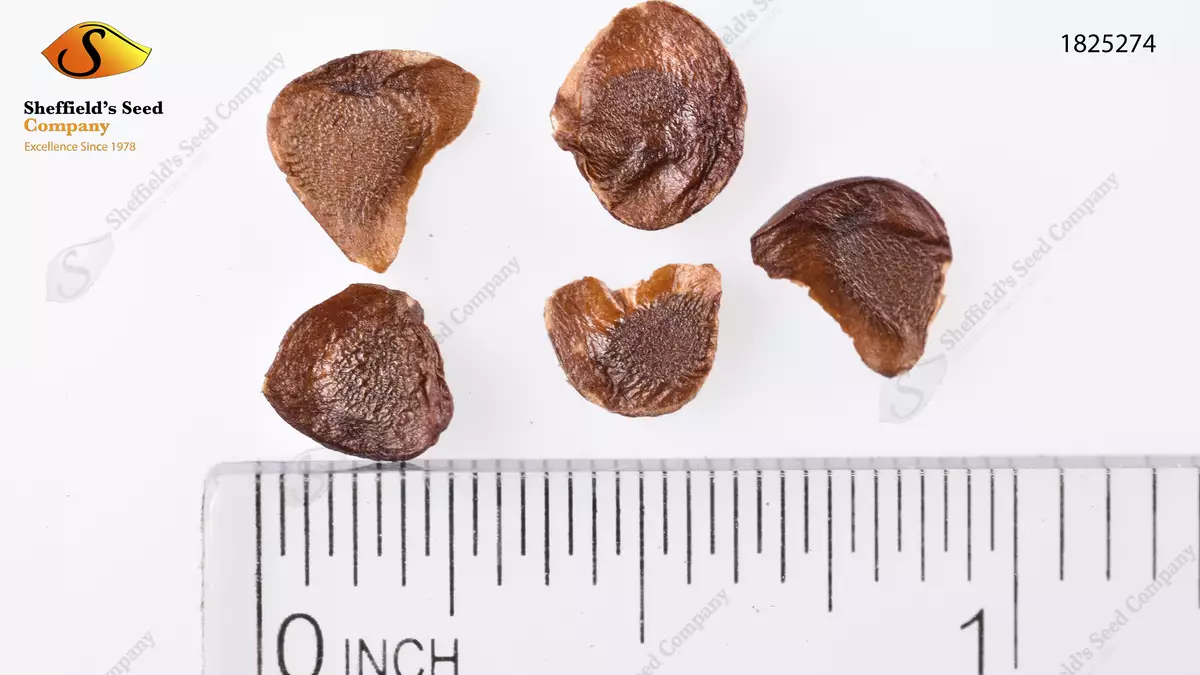
In Stock: 0.367 lb (Total:0.367lb)
  • Iris ensata

    All items have bulk rates priced in
select i.*, as2.state_abbr from inventory_item_manage i left outer join sheffields_2017.address_states as2 on (as2.state_name = i.CollectionLocale or as2.state_abbr = i.CollectionLocale) where i.inventory_id = '749' group by i.id

Buying options

0.37 lb

Details

Germination:
91%
Germination test:
Cut (Full Seed)
Purity:
99%
Seeds per lb:
44,820
Quantity:
0.37 lb
Collected in:
Russia
Crop year:
2018
Min. hardiness zone:
5
Item ID:
1825274

Growing Info

Scarification
Scarification: Soak in water, let stand in water for 24 hours
Stratification
Stratification: warm stratify for 30 days, cold stratify for 60 days
Germination
Germination: sow seed 1/4" deep, tamp the soil, mulch the seed bed|sow seed 1/4 deep, tamp the soil, mulch the seed bed

Other: mechanical rupture of the pericarp is recommended before stratification 

Native to: China, Japan, Korea, Korea (South)
Native
Introduced
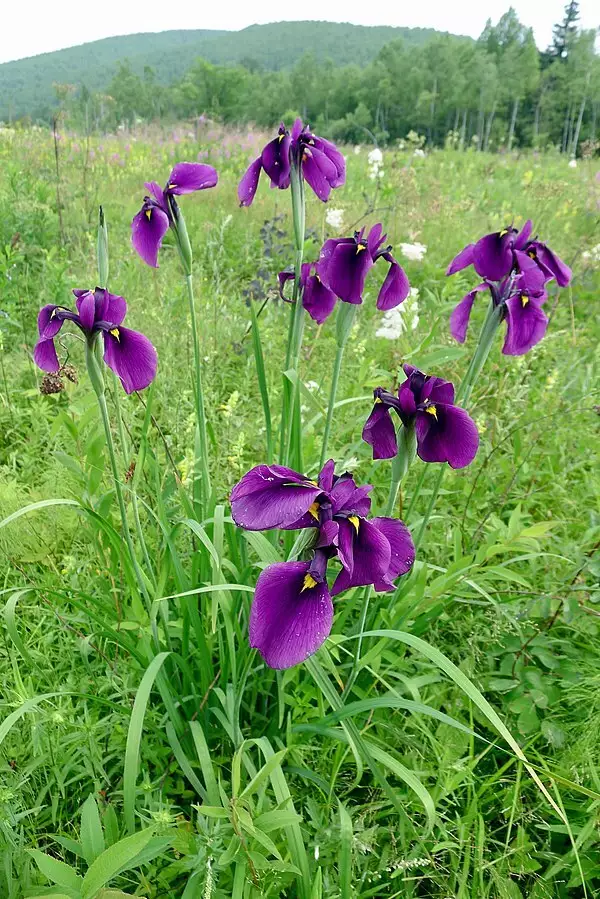
Iris ensata, the quintessential Japanese Water Iris, is celebrated for its captivating blooms and graceful presence. Native to Eastern Asia and Kazakhstan, this herbaceous perennial is a standout addition to any garden, especially those in zones 4 to 9. Reaching heights of 2 to 4 feet and spreading up to 2 feet, Iris ensata thrives from June to July, showcasing a stunning palette of blue, lavender, violet-red, pink, and white blossoms, each spanning 3 to 6 inches with a signature flattened appearance. These showy flowers can be single, double, or even peony-shaped, a testament to their rich cultivation history in Japan.

Ideal for water gardens, moist borders, and naturalized settings, Iris ensata flourishes in full sun to part shade. While it revels in medium to wet conditions during the growing season, it requires removal from standing water to avoid root rot in winter. Hence, it’s perfect for rain gardens or pond edges but must transition to drier ground as colder months approach. Its sword-shaped green leaves, reaching up to 24 inches, add a lush, verdant backdrop to its brilliant flowers. Despite its water-loving nature, the Japanese water iris adapts to garden soils, provided they maintain consistent moisture.

The genus name, inspired by the Greek goddess of the rainbow, is fitting for such a colorful and diverse plant. Witness the spectacle of this perennial beardless iris in your garden, offering not only breathtaking views but also excellent cut flowers. Whether gracing the margin of a pool, accentuating a Japanese garden, or contributing to the ecological beauty of a rain garden, Iris ensata is a harmonious blend of elegance and resilience.

You might also like

Acer heldreichii ssp. trautvetteri

Acer heldreichii ssp. trautvetteri

Red-bud Maple

Euonymus europaea

Euonymus europaea

European Euonymus, Spindle

Iris sibirica

Iris sibirica

Siberian Iris

Malus baccata

Malus baccata

Siberian Crab Apple

(315) 497-1058
269 NY-34 Locke NY 13092
seed@sheffields.com

HOME - logo

Find us on: